

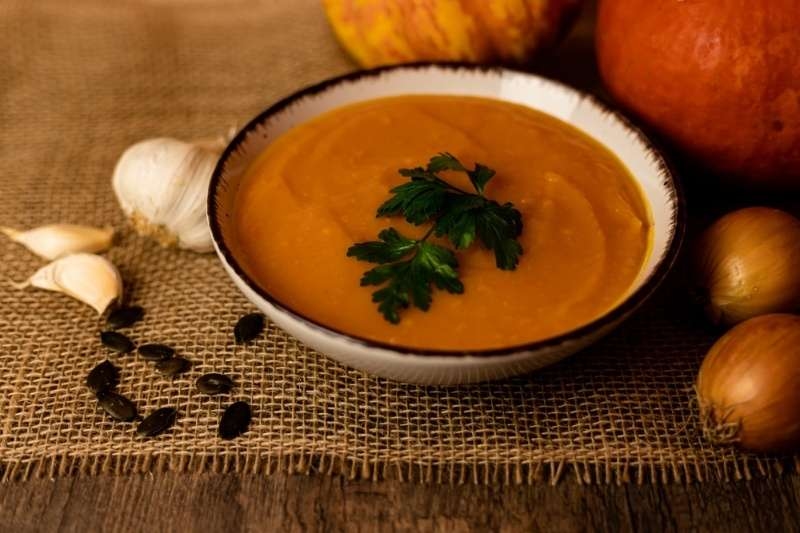
Pumpkin soup shows up every fall, sure—but it’s not just one thing. It shifts. Creamy, spicy, thin, chunky, sweetish, even smoky. People stick to one version and miss the rest. That’s the problem. Pumpkin itself is mild, almost blank, which means you can push it anywhere—Thai flavors or Italian herbs. It absorbs. It changes. That’s why it works. Not fancy, just flexible. Cozy meals depend on that kind of food. Warm, filling, low effort. In this blog, we break down real, usable options—no fluff, just solid bowls you can actually cook.
These are the core styles—basic to bold—that define how pumpkin soup can taste and feel.
There are many types of pumpkin soup out there, but most people only know one. Creamy, blended, done. That’s limiting. You can go light, heavy, spicy, vegan, or chunky. Each version changes texture and mood. Some feel like dinner, others like a starter.
Let’s get into actual recipes. No overthinking.
This section leans into familiar, warm flavors that feel safe but still satisfying.
The base version. Smooth, warm, simple.
Ingredients
Steps
Short, clean, reliable.
Roasting changes everything. Deeper taste.
Ingredients
Steps
Slightly smoky. Better than boiled.
Also Read: Power Busy Mornings with Protein from Breakfast Ideas 2025
Quick recipes here—minimal prep, fast cooking, still decent flavor.
Fast. No-stress cooking.
Ingredients
Steps
Creamy but dairy-free. Works well.
For people who want heat. Not subtle.
Ingredients
Steps
Heat cuts the sweetness. Good balance.
These versions keep things simple and lighter, without heavy cream or excess fat.
Clean taste. No heaviness.
Ingredients
Steps
Simple. Fresh. Not rich.
More nutrients. Slight sweetness.
Ingredients
Steps
Thicker. Slightly earthy.
Don't Miss: Homemade Pumpkin Tortellini Recipe For A Perfect Dinner
These are old-school combinations that just work—no surprises, just comfort.
Ingredients
Steps
Heavy but worth it.
Very classic flavor pairing.
Ingredients
Steps
A bit rustic. Not too smooth.
Here’s where things shift—less traditional, more bold or experimental.
Different direction. Bold.
Ingredients
Steps
Tangy, spicy, creamy—all at once.
More filling. Almost a meal.
Ingredients
Steps
Thick. Hearty. Keeps you full.
These are small tweaks and shortcuts you can try without following a full recipe.
Not full recipes, just quick directions—
Small tweaks. Big change.
Read More: 25 Gluten-Free Pumpkin Recipes That are Sweet & Savory
Pumpkin soup doesn’t need to stay predictable. It shouldn’t. You can roast it, spice it, lighten it, bulk it up with lentils, or strip it down to something simple and fast. That’s the real value. These types of pumpkin soups aren’t complicated, just flexible. You don’t need exact rules; adjust as you go. Some days you want creamy; other days something sharp with chili. Both work. That’s the point. Try a few, mess up a bit, change ingredients. Over time, you’ll stop following recipes altogether. And honestly, that’s when it gets good.
Sugar pumpkins or butternut squash work better than carving pumpkins. They are sweeter, less watery, and give a smoother texture without extra effort. They also cook faster and blend more evenly.
Yes, most pumpkin soups freeze well. Just avoid adding cream before freezing. Add dairy later when reheating to keep the texture smooth. Always store in airtight containers for better freshness.
You can add potatoes or lentils or reduce the liquid. Blending longer also helps. Some people use oats—odd, but it works. You can also simmer longer to naturally thicken it.
Common ones include nutmeg, cumin, paprika, ginger, and cinnamon. But also try curry paste or chili flakes if you want something stronger. A pinch of black pepper adds extra depth, too.
This content was created by AI