

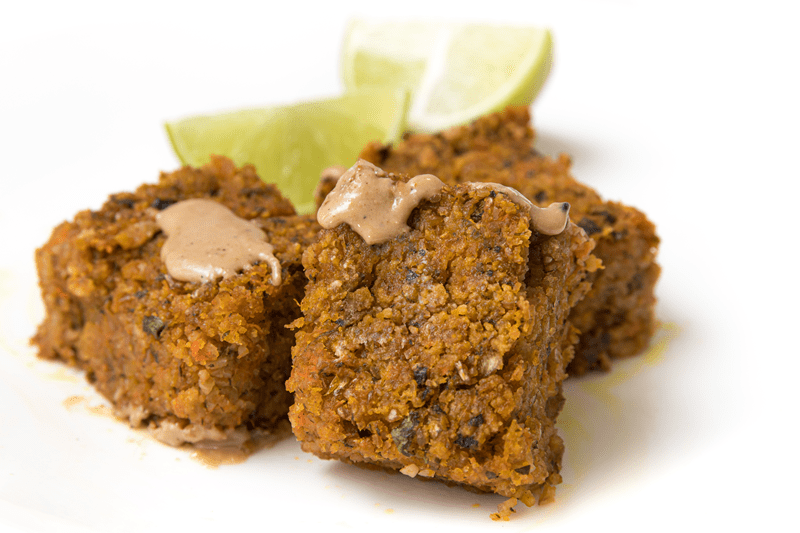
Before we get cooking, here’s a quick roadmap. This guide walks you through the story, flavors, and method behind a comforting pumpkin kibbeh with a crisp shell and warmly spiced filling. You’ll learn why pumpkin works so well, how to shape and bake it with confidence, and how to serve it in a way that feels right for a cozy American kitchen. By the end, you’ll have a reliable pumpkin kibbeh recipe and the calm confidence to make it again.
Pumpkin kibbeh sits at a lovely crossroads. It borrows the structure of classic kibbeh and swaps meat for pumpkin, which sounds simple but feels almost magical once you taste it. The shell turns lightly crisp, the inside stays tender, and the filling brings warmth without shouting. This first section sets the tone and shows why pumpkin kibbeh deserves a place on your fall and winter table.
Pumpkin has this quiet sweetness that plays nicely with spices like cinnamon and allspice. When mashed, it binds bulgur without fuss. You know what? It also keeps the shell soft enough to shape, yet sturdy enough to bake. That balance is the whole secret.
Lebanese pumpkin kibbeh comes from a long tradition of plant-based dishes made for Lent and everyday meals. Over time, families adjusted spices, fillings, and even shapes. That flexibility is why kibbeh pumpkin feels so welcoming to home cooks in the US.
You may also read: Pumpkin Chili Recipe: A Hearty and Healthy Dinner Idea
This version leans toward the Lebanese pumpkin kibbeh many families know, but with a baking method that suits modern kitchens. Think less frying, more oven warmth, and fewer dishes to wash.
Instead of lamb, pumpkin forms the base. Bulgur still matters, though. It adds bite and structure. The filling focuses on onions, walnuts, and spices, which bring richness without heaviness.
Baked pumpkin kibbeh feels lighter and cleaner. The oven dries the shell just enough to give you crisp edges. It also makes weeknight cooking less stressful. No oil splatter. No hovering.
Before anything else, gather your ingredients. Having everything ready makes the whole process feel calm and almost meditative.
Read More: Pumpkin and Apple Soup with a Hint of Cinnamon and Nutmeg
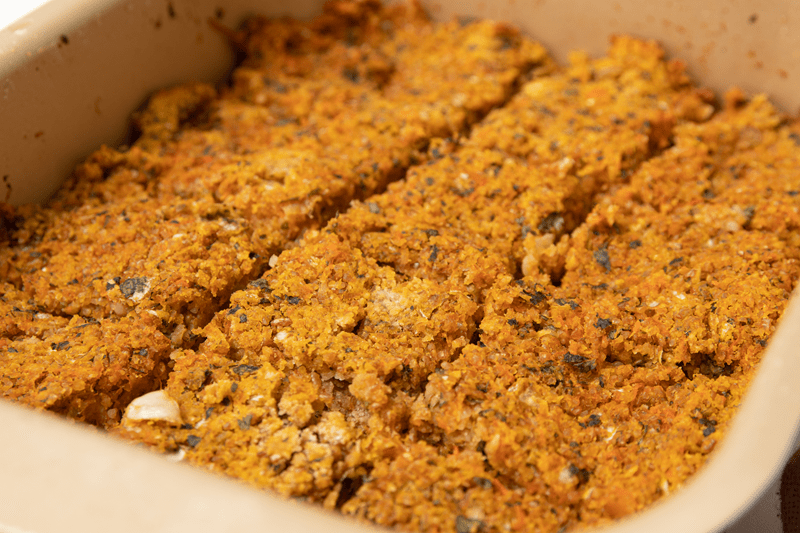
This kibbeh pumpkin recipe follows a steady rhythm. No rushing. Each step builds on the last.
Place pumpkin puree in a large bowl. Add bulgur and let it sit for about 10 minutes so the bulgur softens. Stir gently. The texture should feel thick but pliable.
Add flour, salt, cumin, and cinnamon to the pumpkin mixture. Mix with your hands until it comes together. If it sticks too much, dust with a little more flour. It should feel like soft dough.
Heat olive oil in a skillet over medium heat. Add onions and cook until soft and lightly golden. Stir in walnuts, allspice, cinnamon, salt, and pepper. Cook for two minutes, then let cool. Cooling matters. Hot filling tears the shell.
Lightly oil your hands. Take a small amount of pumpkin dough and flatten it in your palm. Spoon filling into the center, then gently close and shape into an oval or football shape. Don’t stress about perfection. Rustic looks right here.
Place kibbeh on a parchment-lined baking sheet. Brush lightly with olive oil. Bake at 375°F until golden and firm, about 30 to 35 minutes, turning once. This is your baked pumpkin kibbeh moment.
A crisp shell feels like a small victory. Here’s how to get it without overthinking.
If your pumpkin puree is watery, strain it first. Extra moisture softens the shell too much.
A light brush of olive oil helps with browning. Not too much. You want crisp, not greasy.
Don't miss: How To Make Pumpkin Waffles for a Special Morning Treat
Pumpkin kibbeh fits right into American tables with just a little creativity.
Serve with plain Greek yogurt, a lemony tahini sauce, or even a simple cucumber salad. Honestly, a green salad with vinaigrette balances the richness perfectly.
Pair kibbeh pumpkin with lentil soup or roasted vegetables. It turns into a full dinner without effort.
Fall pumpkins tend to be sweeter. Winter pumpkins are deeper in flavor. Both work.
If you like warmth, add a pinch of nutmeg. If you prefer savory, reduce cinnamon slightly. Cooking should feel personal.
Pumpkin kibbeh holds well in the fridge for two days before baking. That’s a gift on busy weeks.
Everyone has a first batch that teaches them something.
Too much filling causes cracks. Less is more here.
High heat browns fast, but dries the inside. Stay patient. Moderate heat wins.
Watery pumpkin makes the shell soft and fragile. If your puree looks loose, strain it first or cook it down briefly on the stove.
Letting the pumpkin and bulgur sit together matters more than it seems. That short rest allows the bulgur to absorb moisture and gives you dough that holds its shape.
There’s something comforting about shaping kibbeh by hand. It slows you down. It connects you to a food tradition that values care over speed. Pumpkin kibbeh feels humble, yet thoughtful. And that’s probably why it sticks.
Pumpkin kibbeh brings together warmth, balance, and a sense of home. With a crisp shell, spiced filling, and baked finish, it fits beautifully into American kitchens while honoring its roots. Once you make it, chances are you’ll keep coming back, tweaking spices, sharing trays, and enjoying that quiet satisfaction that comes from cooking something real.
Yes. This pumpkin kibbeh recipe uses no animal products and works well for plant-based diets.
You can freeze baked pumpkin kibbeh once cooled. Reheat in the oven for the best texture.
Sugar pumpkin or canned unsweetened pumpkin both work well and give a smooth texture.
Not hot spicy. It’s warmly spiced with cinnamon and allspice, gentle and comforting.
This content was created by AI